Common Chimney Problems Found During Inspections
Chimney inspections often reveal issues such as creosote buildup, structural cracks, and obstructions. Addressing these problems promptly helps maintain safety and efficiency of your chimney system.
Proper chimney inspection and cleaning are vital for safe and efficient fireplace use. Regular maintenance helps prevent fire hazards and ensures your chimney functions correctly. Learn how often to schedule these services for optimal safety.
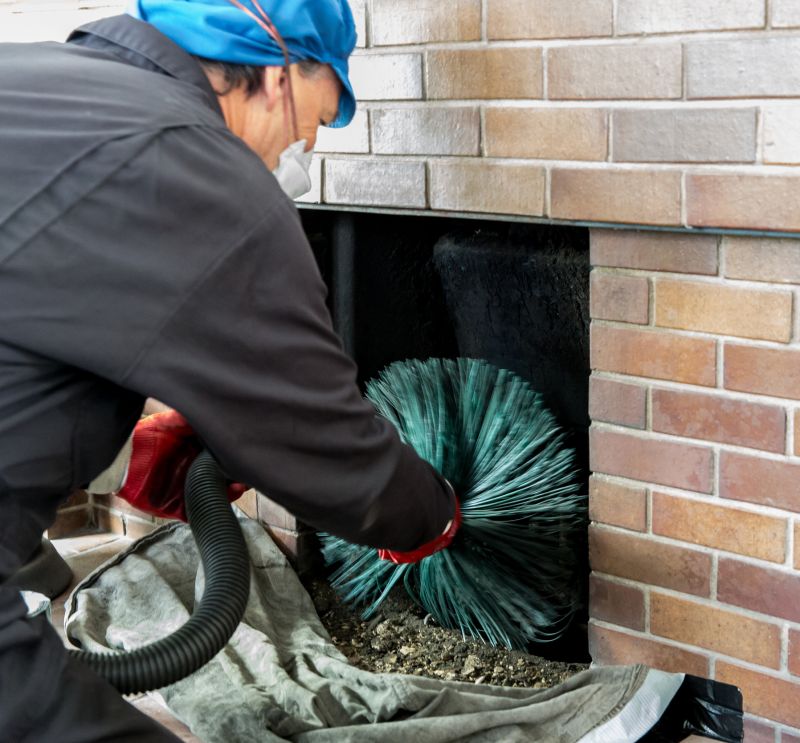
Identifying signs your chimney needs professional sweeping is crucial for safety and performance. Common indicators include soot accumulation, unpleasant odors, and smoke problems. Expert chimney cleaning ensures your fireplace operates efficiently and reduces fire risks.
Chimney Sweeping And Fire Safety Explained provides insights into proper chimney maintenance, cleaning, and safety practices to prevent fires and ensure efficient operation. Regular inspections and cleaning are essential for home safety and compliance with safety standards.
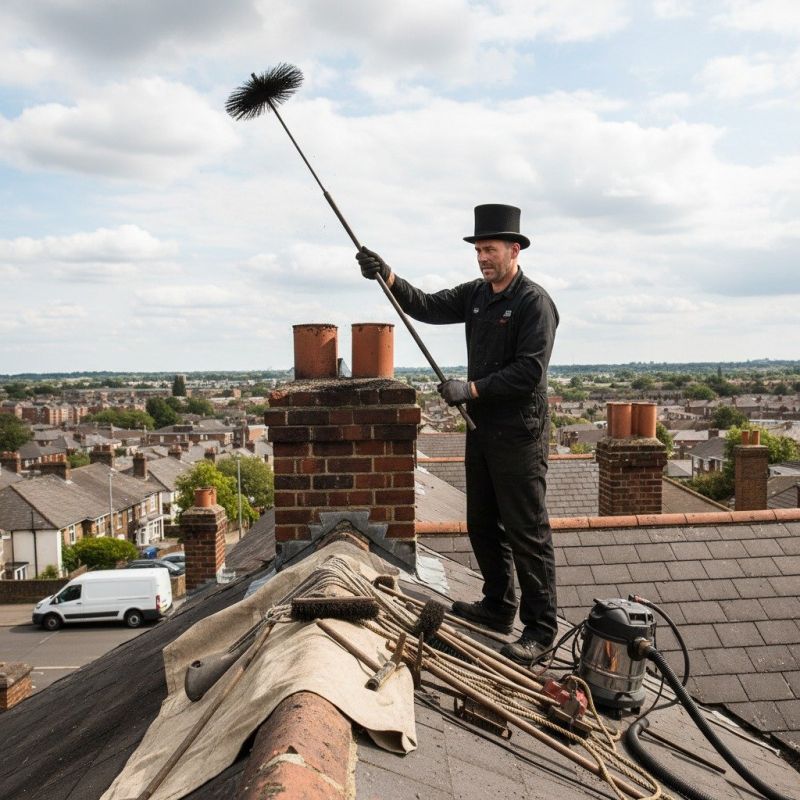
Chimney sweeping and inspection are vital for maintaining safety and efficiency in your home. Regular services help prevent fire hazards, improve airflow, and prolong the lifespan of your chimney system. Proper maintenance is essential for peace of mind and optimal performance.
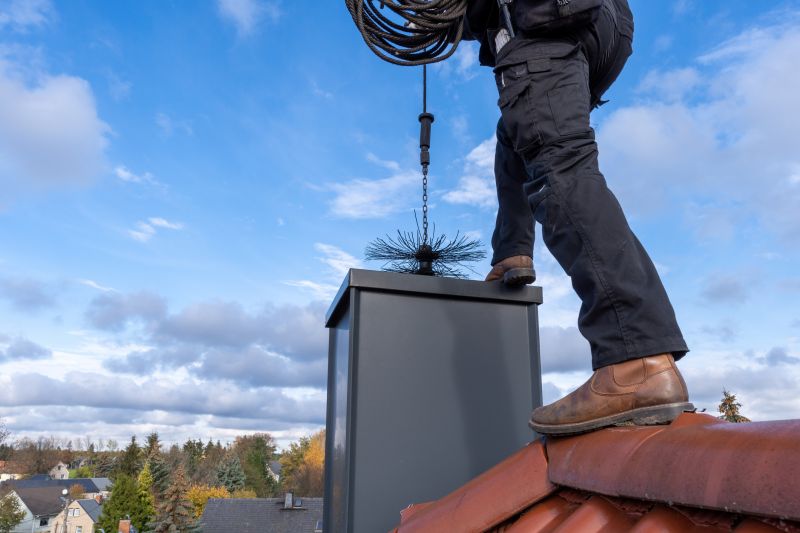
Scheduling regular chimney inspections and cleanings during appropriate seasons enhances safety, prevents fire hazards, and extends the lifespan of chimney systems. Proper timing is essential for optimal performance and maintenance.
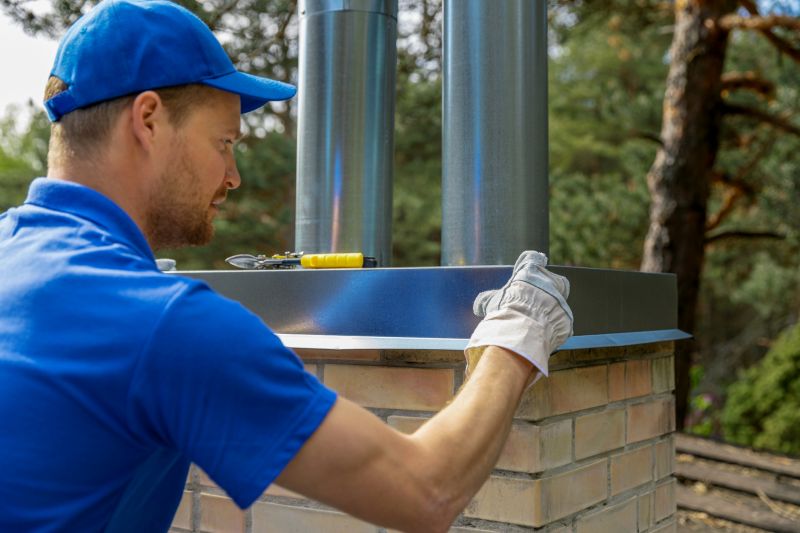
Professional chimney care involves cleaning, inspection, and repairs to ensure safety, improve efficiency, and prevent fire hazards. Regular maintenance extends chimney lifespan and reduces costly repairs by addressing common issues like creosote buildup and cracks.
Regular chimney inspections are essential for safety and efficiency, helping identify issues like cracks, blockages, or component damage to prevent hazards such as fires and carbon monoxide leaks.