Common Chimney Problems Found During Inspections
Hiring local chimney inspection service providers helps identify common chimney problems like creosote buildup, blockages, or damage, ensuring safe and efficient fireplace operation.
Understanding common chimney problems found during inspections can be a valuable step for property owners in the area. Whether maintaining an older home or ensuring the safety of a newer property, knowing what issues might arise helps prioritize repairs and maintenance. Regular inspections by experienced local contractors can uncover hidden problems like cracks, blockages, or deteriorated liners that could affect both safety and efficiency. Staying informed about these common issues encourages proactive care, helping to prevent costly repairs and ensuring the chimney functions properly when needed.
For those considering a chimney inspection, recognizing the typical problems identified during these assessments highlights the importance of connecting with qualified local service providers. These professionals can evaluate the condition of the chimney, identify potential hazards, and suggest appropriate solutions. Exploring this topic can provide peace of mind, especially for property owners preparing for seasonal use or planning renovations. Keep reading to learn more about the common chimney problems uncovered during inspections and how local experts can assist in maintaining a safe, efficient chimney system.
- Chimney liner repairs - homeowners noticing cracks or deterioration during inspections may need local contractors to evaluate and restore the chimney liner.
- Creosote buildup removal - inspections revealing excessive creosote deposits can be addressed by service providers experienced in safe removal methods.
- Masonry crack repairs - visible cracks or damaged mortar during inspections indicate the need for professional masonry repairs to prevent further issues.
- Chimney crown restoration - signs of crumbling or damaged crowns found during inspections often require expert restoration to prevent water intrusion.
- Flue and venting issues - inspections that detect improper venting or blockages can be resolved by local pros skilled in ensuring safe and efficient chimney operation.
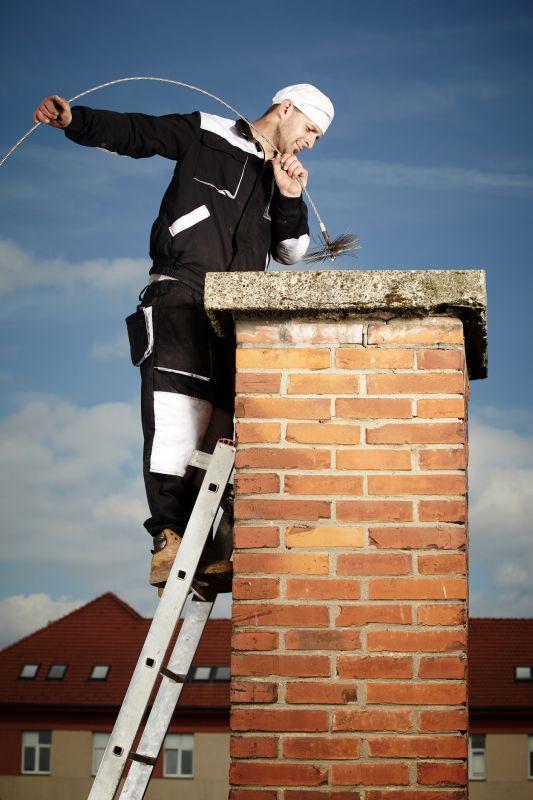
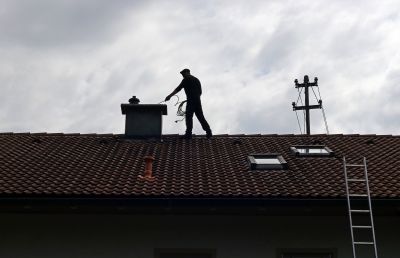
Common chimney problems found during inspections often include issues with the chimney crown, which is the top element that helps keep water out of the flue. Over time, the crown can develop cracks or deterioration due to exposure to the elements, leading to leaks and water damage inside the chimney structure. Homeowners may notice signs such as water stains on interior walls or ceilings, which can indicate that moisture is seeping through compromised crowns. Local contractors who specialize in chimney inspections can identify these issues early, allowing for repairs that prevent more extensive damage and help maintain the integrity of the chimney system.
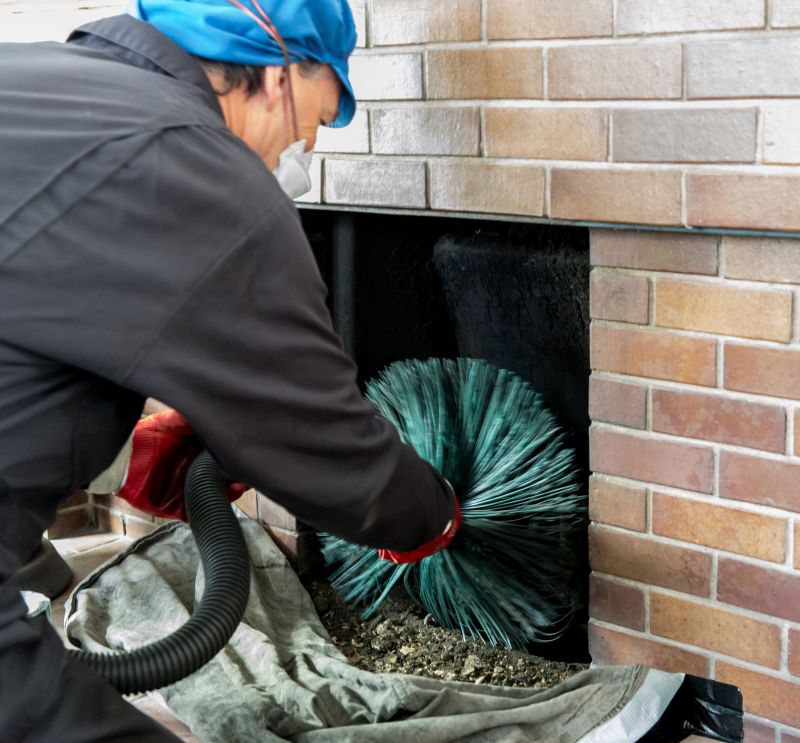
Another common issue uncovered during inspections involves the buildup of creosote and soot within the chimney flue. This accumulation is a natural byproduct of burning wood or other fuels, but if left unchecked, it can create dangerous blockages and increase the risk of chimney fires. Inspections often reveal excessive creosote deposits or obstructions that restrict airflow and venting. Homeowners with older or frequently used fireplaces should consider regular inspections to monitor creosote levels. Local service providers can thoroughly clean the chimney and remove these deposits, ensuring safe and efficient operation of the fireplace or stove.
Cracked or damaged chimney bricks and mortar joints are also frequently found during inspections. These issues can occur due to weather-related wear, settling of the building, or thermal expansion from repeated heating and cooling cycles. When bricks crack or mortar deteriorates, it can lead to structural instability and allow water to penetrate the chimney walls. This water infiltration can cause further deterioration, including rusting of metal components or interior damage. Local pros can assess the extent of the damage and perform necessary repairs, such as repointing mortar joints or replacing damaged bricks, to restore the chimney’s strength and prevent future problems.
Flashing problems are another prevalent concern identified during chimney inspections, especially around the area where the chimney meets the roof. Faulty or damaged flashing can allow water to seep into the roofline, leading to leaks and wood rot. Common issues include rusted, loose, or improperly sealed flashing that fails to create a watertight barrier. Property owners with older roofs or those experiencing recent leaks should have flashing inspected regularly. Local contractors can repair or replace flashing as needed, helping to protect the roof and the interior of the home from water intrusion. Regular inspections and prompt repairs of these common chimney problems can extend the lifespan of the chimney system and maintain the home's overall condition.
Chimney Repair Projects - These projects involve fixing structural issues or damage identified during inspections, requiring similar skills and tools as assessing common chimney problems found during inspections.
Flue Liner Installation - Proper installation of flue liners is essential for addressing issues like cracks or blockages, paralleling the planning and safety considerations of chimney inspections.
Chimney Crown Repairs - Repairing or replacing damaged chimney crowns involves inspecting for deterioration and planning effective solutions, akin to identifying common problems during inspections.
Masonry Restoration - Restoring or repointing masonry involves analyzing structural integrity and material condition, similar to evaluating common chimney problems during inspections.
Chimney Waterproofing - Applying waterproofing treatments helps prevent issues like leaks and deterioration, which are often discovered during routine inspections.
Chimney Cap Installation - Installing or replacing chimney caps addresses common problems like animal entry and water intrusion, requiring similar planning and technical skills as inspection services.
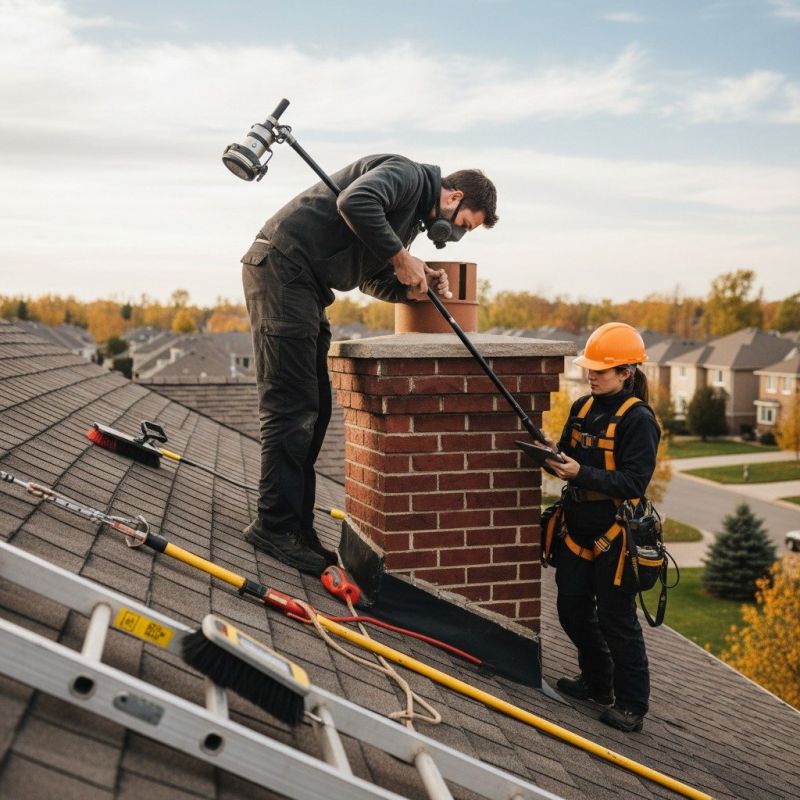
When comparing local contractors for chimney inspection services, it’s important to consider their experience with similar projects, particularly those involving common chimney problems found during inspections. Homeowners should look for service providers who have a proven track record of addressing issues such as creosote buildup, cracked flue liners, or damaged chimney crowns. An experienced contractor will be familiar with the typical signs of these problems and know how to accurately identify and assess them during an inspection, increasing the likelihood of thorough and reliable service.
Clear written expectations are essential when evaluating potential service providers. Homeowners should seek out contractors who can provide detailed descriptions of what their inspections include, what potential issues they will look for, and what the next steps might be if problems are identified. Having this information in writing helps ensure that both parties understand the scope of work and can prevent misunderstandings. It also allows homeowners to compare services more effectively and choose providers who are transparent about their process and what they deliver.
Reputable references and good communication are key indicators of a trustworthy local contractor. Pros with a solid reputation are more likely to deliver quality work and stand behind their inspections. Homeowners can ask for references or reviews from previous customers to gauge the contractor’s reliability and professionalism. Additionally, clear and responsive communication throughout the process helps ensure questions are answered, expectations are managed, and any concerns are addressed promptly. These factors contribute to a smoother inspection experience and greater confidence in the results.
Property owners often search for common chimney problems found during inspections when they are planning practical projects around their homes and businesses. Local pros provide Chimney Inspection services for everyday jobs and straightforward project options.
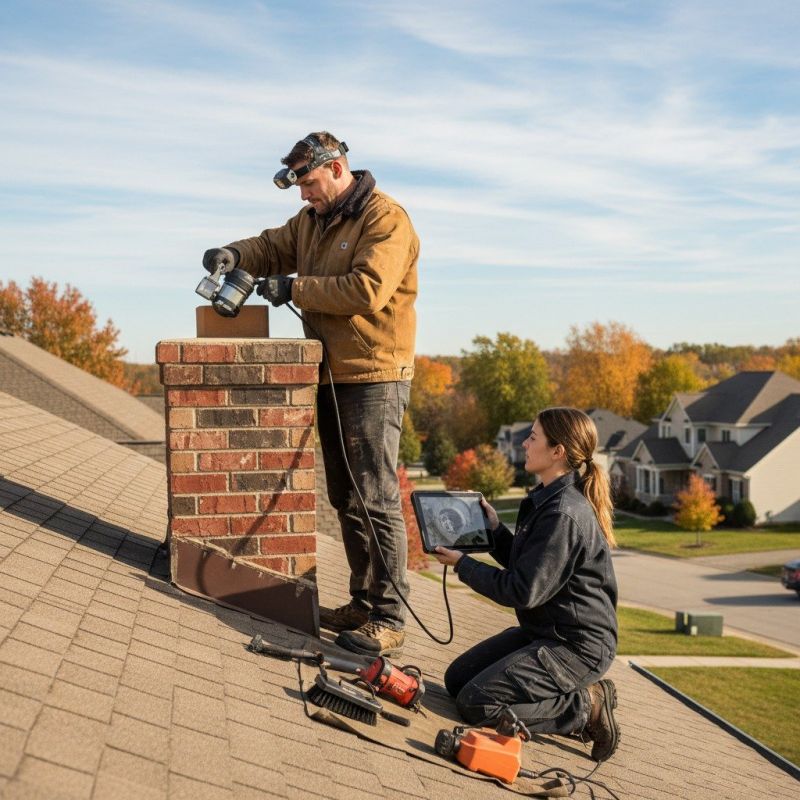
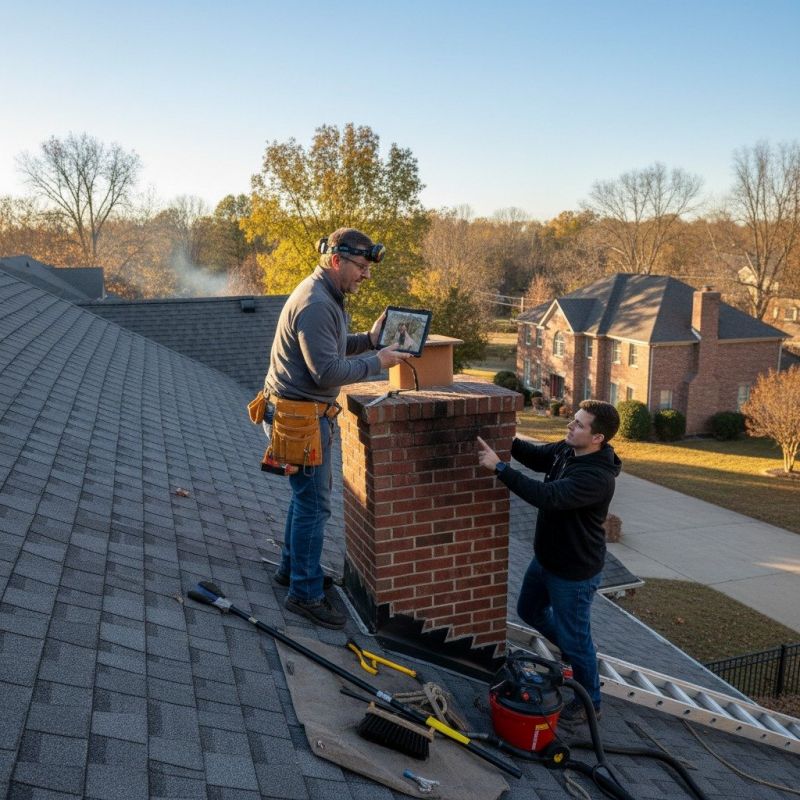
Homeowners often find themselves searching for information about common chimney problems found during inspections after noticing issues like smoke odors, draft problems, or visible damage around their fireplace. These issues can be caused by a variety of simple, everyday problems such as cracked mortar joints, creosote buildup, or damaged chimney caps. Regular inspections by local contractors help identify these common issues early, preventing more serious damage and ensuring the chimney functions safely and efficiently during the colder months.
Property owners in the area might consider chimney inspection services from local service providers when they observe signs of deterioration or after experiencing unusual odors or smoke backup. Common problems uncovered during inspections include loose or missing bricks, blocked flues, or deteriorated liners. Addressing these issues with the help of nearby professionals can help maintain the safety and performance of a chimney, making it a wise step for those wanting to keep their home’s fireplace operating smoothly and avoid costly repairs later on.
What are common chimney problems found during inspections? Common issues include cracked or missing mortar, creosote buildup, damaged flashing, deteriorated chimney caps, and obstructions like animal nests or debris.
Why is creosote buildup a concern during chimney inspections? Creosote is a flammable substance that can accumulate inside the chimney, increasing the risk of fires if not properly cleaned and maintained by experienced service providers.
How can damaged flashing affect my chimney? Damaged or improperly installed flashing can lead to water leaks and structural damage, which local contractors can identify and repair during an inspection.
What issues can deteriorated chimney caps cause? Deteriorated or missing chimney caps can allow debris, animals, and water to enter the chimney, potentially causing damage and blockages that local service providers can address.
What are signs of obstructions or blockages during a chimney inspection? Signs include smoke backup, unpleasant odors, or visible debris; local pros can inspect thoroughly and clear any obstructions to ensure safe operation.
Creosote buildup - Regular inspections can identify creosote deposits that may increase fire risk, allowing property owners to plan for professional chimney cleaning services.
Cracked or damaged mortar - Detecting mortar deterioration during inspections helps property owners schedule necessary repairs to maintain chimney stability and safety.
Obstructions and debris - Identifying blockages like leaves or animal nests enables property owners to clear the chimney properly with the help of experienced service providers.
Damaged chimney caps or flashing - Spotting issues with caps or flashing during inspections allows property owners to arrange for repairs that prevent water intrusion and further damage.
If you are thinking about common chimney problems found during inspections for a property, this guide is meant to help you understand this topic, the typical project types, and how different options might fit your plans.
When you are ready, you can use the quote form on this page to share a few details about your project. From there, local pros can review the basics and follow up with options that match what you have in mind.